

We use cookies to ensure our website works properly and to personalise your experience. Cookies policy
1Department of Siddhar Yoga Maruthuvam, GSMC, Palayamkottai.
2Department of Pura Maruthuvam, GSMC, Palayamkottai
Background: Skeletal muscle contraction and relaxation are fundamentally biochemical processes regulated by acetylcholine-mediated neuromuscular transmission, intracellular calcium (Ca²?) dynamics, ATP-dependent actin–myosin cross-bridge cycling, and nitric oxide-mediated vascular perfusion. Muscle stiffness represents a disturbance in these molecular mechanisms, often associated with sustained Ca²? presence, impaired ATP turnover, inflammatory mediator activity, and altered autonomic balance. Varma therapy, a traditional Siddha manual intervention, is clinically used to relieve musculoskeletal stiffness; however, its effects can be interpreted through underlying biochemical pathways. Objective: To evaluate the clinical improvement in shoulder joint mobility following Varma point stimulation and to interpret the findings through established neuromuscular biochemical mechanisms. Methods: Patients presenting with shoulder muscle stiffness underwent standardized Varma point stimulation. Shoulder joint range of motion (ROM) was measured using angular assessment before and after intervention as a functional prognostic indicator. Results: Post-intervention assessment demonstrated improvement in shoulder joint angle and reduction in movement restriction. Restoration of joint mobility suggests normalization of actin myosin interaction and improved muscle relaxation. Mechanistic Interpretation: Mechanical stimulation at specific anatomical points may activate peripheral mechanoreceptors and influence spinal reflex modulation. From a biochemical perspective, this may facilitate regulation of acetylcholine release, restoration of intracellular Ca²? homeostasis, enhanced ATP-dependent cross-bridge detachment, endogenous opioid modulation, nitric oxide mediated vasodilation, and improved microcirculatory perfusion. These integrated molecular processes collectively support muscle relaxation and functional recovery. Conclusion: Improvement in shoulder mobility following Varma therapy reflects underlying neuromuscular biochemical modulation. This study presents a functional outcome supported by mechanistic biochemical interpretation, bridging traditional Siddha therapeutics with contemporary molecular physiology. Further research incorporating specific biochemical biomarkers is warranted to validate these proposed pathways.
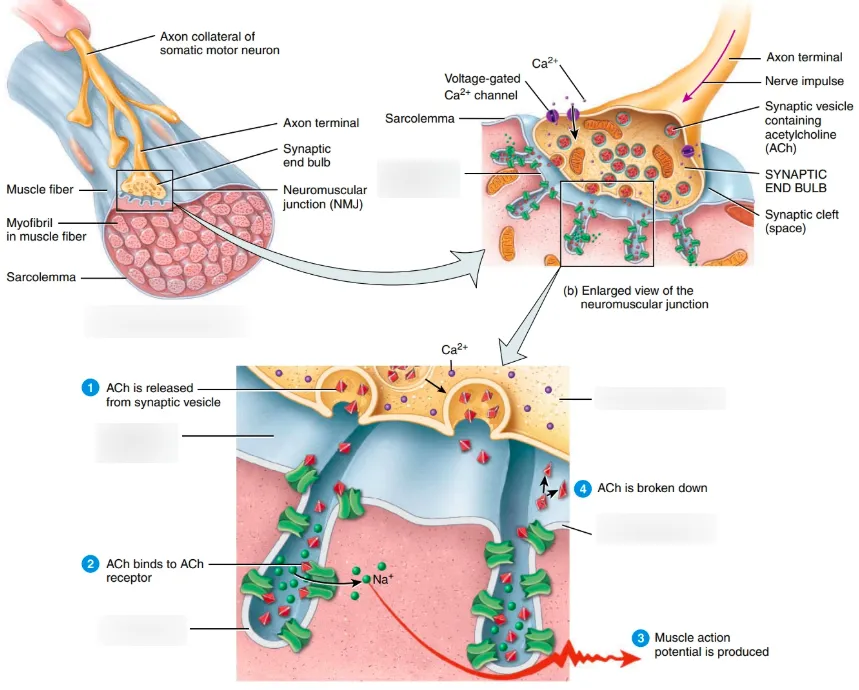
Skeletal muscle contraction and relaxation are highly coordinated physiological processes that depend on efficient neuromuscular transmission, intracellular calcium (Ca²âº) regulation, ATP-dependent actin–myosin interactions, and adequate vascular perfusion. During muscle contraction, acetylcholine released from the motor nerve terminal initiates depolarization of the muscle membrane, leading to calcium release from the sarcoplasmic reticulum. The released calcium binds to troponin, allowing actin–myosin cross-bridge formation and force generation. Muscle relaxation occurs when calcium is actively transported back into the sarcoplasmic reticulum by ATP-dependent calcium pumps (SERCA), resulting in cessation of cross-bridge cycling. Disturbances in these physiological mechanisms can impair normal muscle function and contribute to muscle stiffness, reduced range of motion, pain, and functional disability.
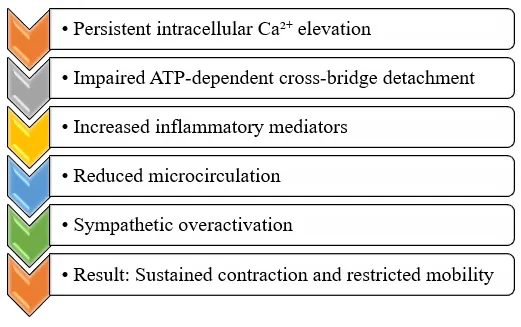
Muscle stiffness commonly develops following prolonged immobilization, trauma, surgery, or musculoskeletal disorders. Immobilization induces structural and biochemical changes within skeletal muscle, including reduced muscle extensibility, altered neuromuscular activation, decreased local blood circulation, inflammatory responses, and impaired excitation–contraction coupling. These alterations interfere with normal contraction–relaxation dynamics, resulting in restricted joint mobility and compromised functional performance.
In the Siddha system of medicine, Varma is regarded as the vital life force (Uyir Sakthi) distributed throughout specific anatomical points of the body. Classical Siddha texts describe Varma points as being located at the centres of muscle fibres, tendons, ligaments, joints, or at the origin and insertion of muscles, where life energy is concentrated. Varma therapy involves the skilled external manipulation of these vital points using controlled pressure to restore the normal flow of vital energy, relieve pain, improve mobility, and promote functional recovery. Clinically, Varma therapy has been widely employed for the management of musculoskeletal disorders, muscle spasm, joint stiffness, and movement restrictions.
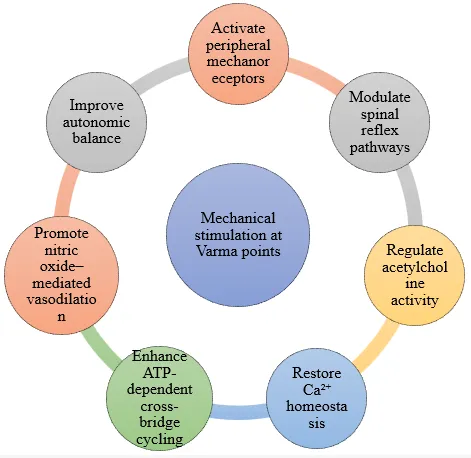
Although the therapeutic benefits of Varma therapy have been documented in Siddha clinical practice, the underlying biological mechanisms remain inadequately understood. From a modern physiological perspective, mechanical stimulation of Varma points may activate cutaneous and deep mechanoreceptors, influence peripheral nerve activity, improve local microcirculation, regulate autonomic nervous system responses, and normalize abnormal muscle tone. It is also hypothesized that these neurophysiological responses may indirectly facilitate physiological calcium homeostasis, optimize muscle contraction–relaxation processes, and reduce muscle stiffness. However, these mechanisms remain hypothetical and require further experimental validation.
The present case report describes the clinical improvement in shoulder muscle stiffness following Varma therapy, demonstrated by changes in range of motion (ROM). In addition to documenting the clinical outcome, this report proposes a plausible biochemical and neurophysiological basis for the observed therapeutic effects, thereby providing an integrative perspective that bridges traditional Siddha knowledge with contemporary muscle physiology.
Biochemistry of Muscle Contraction
BIOCHEMICAL BASIS OF MUSCLE STIFFNESS
MECHANISTIC BIOCHEMICAL INTERPRETATION
Case Presentation:
A 30-year-old Male patient presented to the Siddha Varma Outpatient Department with complaints of pain, stiffness, and restricted movement of the right shoulder for 3 months following a history of trauma. The patient reported progressive difficulty in performing routine activities involving the right upper limb, including overhead reaching, dressing, and lifting objects. There was no history of associated neurological disorders, systemic illness, or previous shoulder surgery.
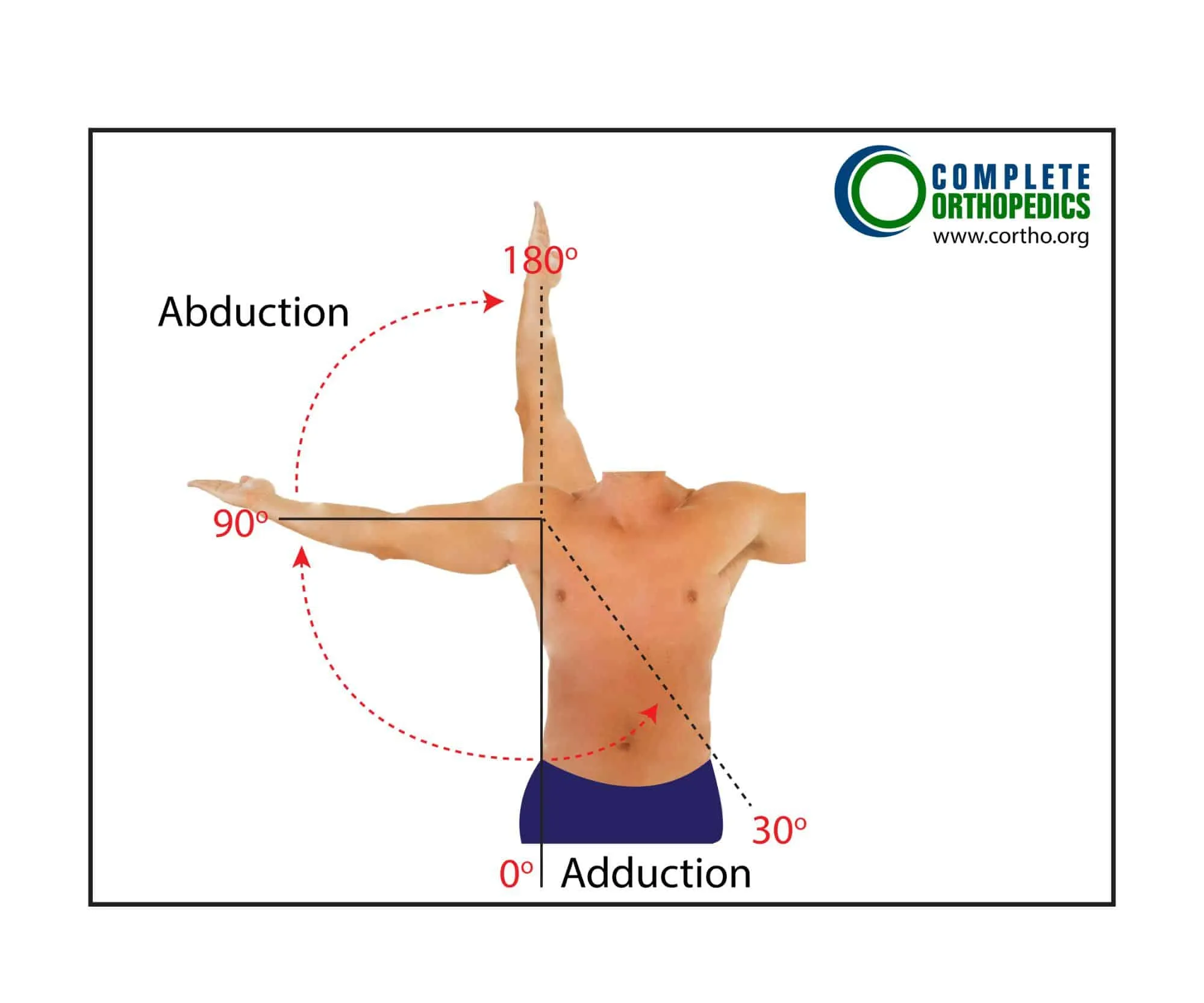
On clinical examination, marked muscle stiffness was observed around the right shoulder region, accompanied by pain during active movements. Active shoulder elevation was restricted to approximately 90°, beyond which the patient experienced significant pain, preventing further movement. The pain intensity was assessed using the Visual Analogue Scale (VAS) and was recorded as 7/10, indicating moderate to severe pain. The restricted range of motion resulted in considerable functional limitation of the right upper limb.
Based on the Siddha clinical assessment, the patient was treated with Varma therapy, involving external manipulation of selected Varma points associated with the shoulder girdle and upper limb. Controlled digital pressure was applied by a trained Siddha physician according to standard Varma therapeutic principles. The patient underwent the prescribed treatment protocol, and clinical outcomes were assessed by comparing pre- and post-treatment pain intensity and shoulder range of motion.
The primary outcome measures included shoulder range of motion (ROM) measured using a goniometer and pain intensity assessed using the Visual Analogue Scale (VAS). Functional improvement in the use of the right upper limb was also evaluated clinically during follow-up.
Intervention
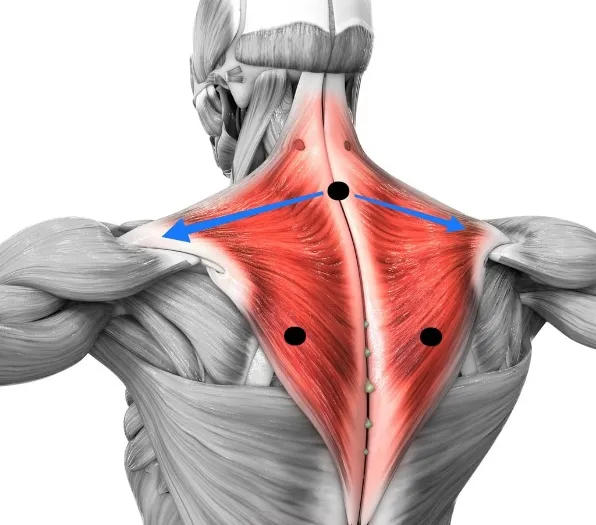
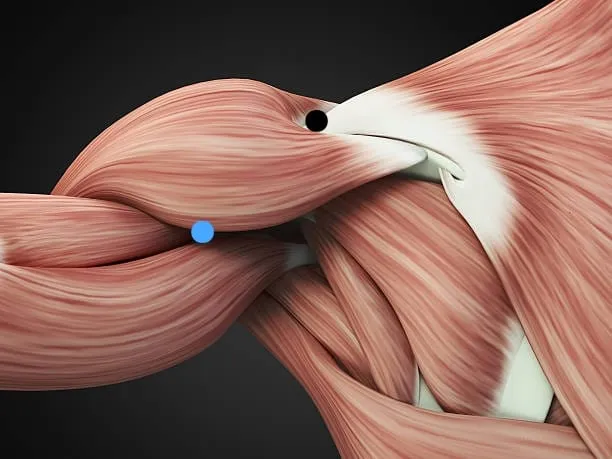
The patient underwent Siddha Varma therapy administered by a trained Siddha physician. The treatment protocol consisted of manual stimulation of selected Varma points associated with the cervical region, trapezius muscle, scapular musculature, and glenohumeral joint to reduce muscle stiffness and improve shoulder mobility.
|
S.NO |
VARMA POINTS |
ANATOMICAL LOCATION |
MANIPULATION |
|
|
Sara Mudichu Varmam |
C7 |
Gentle rotational manipulation over the prominent spinous process of the seventh cervical vertebra, consisting of three clockwise rotations followed by three anticlockwise rotations. |
|
|
Sara Mudichu Pirithal |
C7 |
Following the initial manipulation, one clockwise rotation was performed at the C7 prominence, followed by gentle separating (pirithal) strokes, with anticlockwise strokes directed towards the right side and corresponding strokes towards the left side, according to the traditional Varma technique. |
|
|
Kakkattai Varmam |
Supra Scapular Fossa |
Gentle digital pressure was applied along the upper border of the trapezius muscle. |
|
|
Chippi Varmam |
Medial border of the scapula |
Placing middle three fingers perpendicular to the point and applying gentle sustained pressure. |
|
|
Chulukki Varmam |
Inferior angle of the scapula |
Gentle pressure was applied |
|
|
Puja Varmam |
Glenohumeral joint |
Gentle digital pressure |
|
|
Agatharai & Puratharai |
Anterior and Posterior Axilla Fossa |
Placing middle three fingers and Just Lift the point. |
TABLE 1: The following Varma points and techniques were employed
Duration:
Each treatment session lasted approximately 5 minutes. The patient received three treatment sessions per week for a period of four weeks, resulting in a total of 12 treatment sessions.
Throughout the treatment period, the patient was monitored clinically for pain relief, reduction in muscle stiffness, and improvement in shoulder range of motion.
Outcome measures
Visual Analogue Scale (VAS) for pain and goniometric measurement of shoulder range of motion before and after completion of therapy.
RESULTS
The patient demonstrated progressive clinical improvement over the 30-day treatment period following Siddha Varma therapy. At baseline, active shoulder Abduction was limited to 90° with a Visual Analogue Scale (VAS) pain score of 7/10. After 7 days of treatment, shoulder abduction improved to 110°, and the VAS score decreased to 5/10. By Day 15, shoulder abduction further increased to 140°, with a VAS score of 4/10. At the end of the treatment period (Day 30), shoulder abduction reached 170°, while the VAS score reduced to 2/10.
The patient also reported marked improvement in the functional use of the right upper limb. Activities such as overhead reaching, dressing, and lifting light objects could be performed with minimal discomfort. No adverse events or treatment-related complications were observed during the intervention period.
|
S.no |
Assessment Time |
(ROM) Abduction/ degree |
VAS pain Score |
Clinical Interpretation |
|
1 |
Before Treatment |
90 |
7/10 |
Marked restriction of movement with severe pain |
|
2 |
Day 7 |
110 |
5/10 |
Moderate improvement in ROM with reduced pain |
|
3 |
Day 15 |
140 |
4/10 |
Significant improvement in shoulder mobility and pain |
Table 2. Clinical outcomes following Varma therapy
Discussion
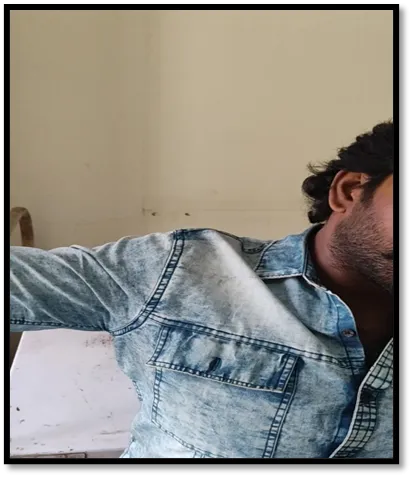
BEFORE TREATMENT
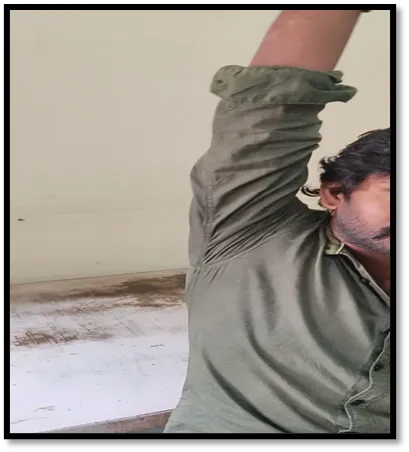
AFTER TREATMENT
CONCLUSION
This case report highlights the potential role of Siddha Varma therapy in the management of post-traumatic shoulder muscle stiffness with restricted range of motion. Following 12 sessions of Varma therapy over a period of 30 days, the patient showed progressive improvement in shoulder flexion from 90° to 170° and reduction in pain intensity from VAS 7/10 to 2/10. The patient also experienced improvement in functional ability and was able to perform daily activities with minimal discomfort.
The observed clinical improvement suggests that Varma therapy may contribute to the reduction of muscle stiffness, pain relief, and restoration of shoulder mobility. The possible mechanisms may involve modulation of neuromuscular activity, improvement of local circulation, regulation of muscle tone, and restoration of functional movement patterns. However, the proposed biochemical mechanisms require further investigation through well-designed clinical trials and objective physiological assessments.
This single case provides preliminary clinical evidence supporting the therapeutic potential of Siddha Varma therapy in musculoskeletal stiffness and encourages further research to establish its efficacy and underlying mechanisms.
REFERENCES



Sathish Kumar S.1*, Janani E.2, Sri Elamathi Devasena K.1, Mahalakshmi V.1, Restoring Muscle Function Through Siddha Varma Therapy: A Case Report With A Proposed Biochemical Mechanism, Int. J. Sci. R. Tech., 2026, 3 (8), 810-816. https://doi.org/10.5281/zenodo.22012789
 10.5281/zenodo.22012789