

We use cookies to ensure our website works properly and to personalise your experience. Cookies policy
Highlights of Vol 3 | Issue 9 | 2026
Background: Traditional post-marketing drug monitoring framework metrics rely heavily upon passive, spontaneous clinical case notification configurations. These configura...
 10.5281/zenodo.22976596
The purpose of this work was to develop and validate the area under curve method for Endoxifen in tablet dosage forms using UV spectroscopy method. This method was develo...
10.5281/zenodo.22976176 
Mehsaul Chowk is one of the busiest urban junctions located on Dumra Road in Sitamarhi district, Bihar. It serves as an important link between Sitamarhi town, the commerc...
10.5281/zenodo.22976007 
Maternal health refers to the health of women during pregnancy, childbirth and the postnatal period. Each stage should be a positive experience, ensuring women and their ...
10.5281/zenodo.22975834 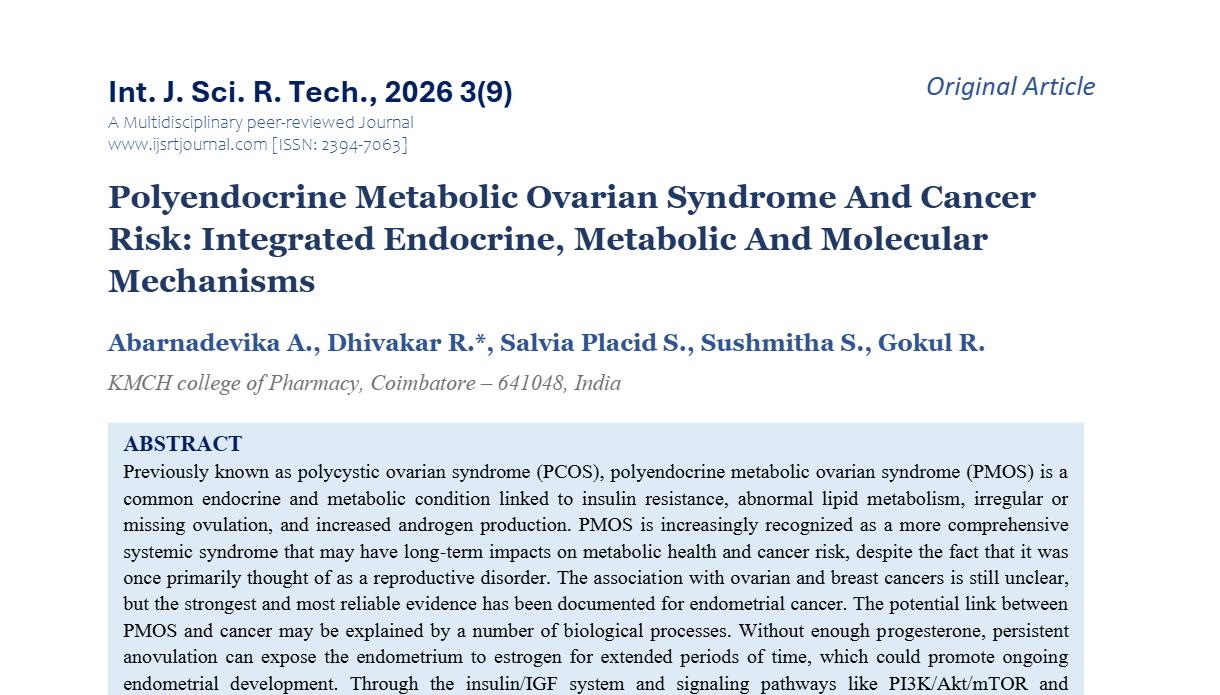
Previously known as polycystic ovarian syndrome (PCOS), polyendocrine metabolic ovarian syndrome (PMOS) is a common endocrine and metabolic condition linked to insulin re...
10.5281/zenodo.22975758 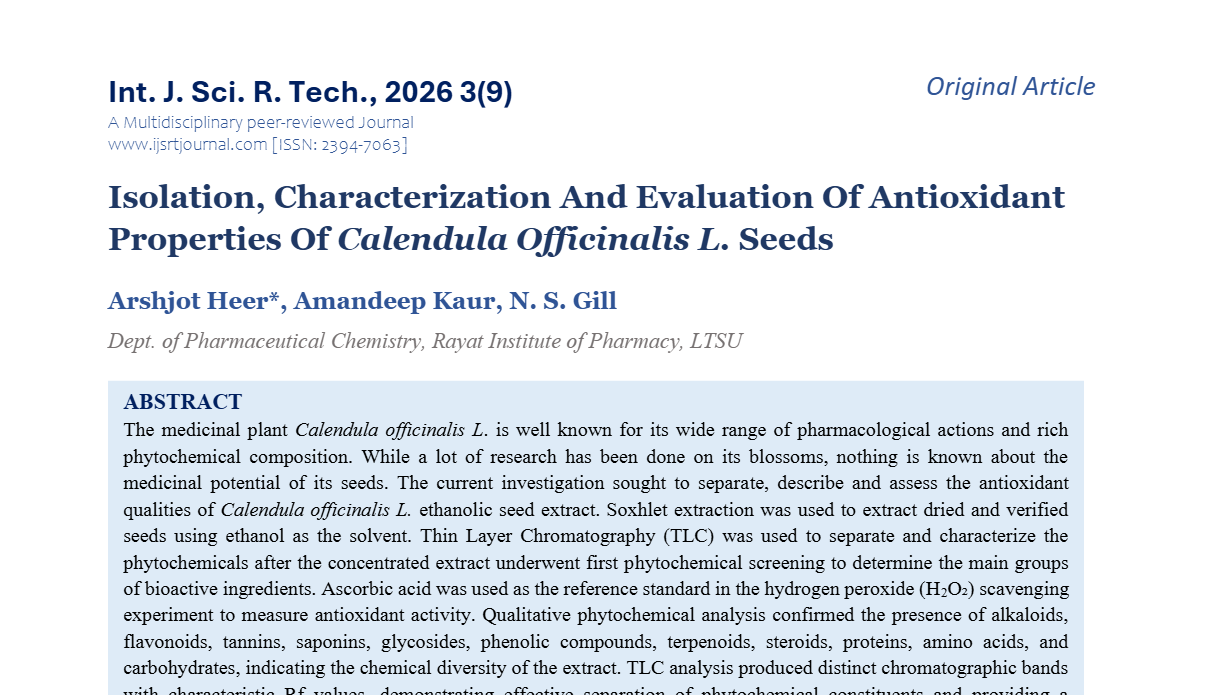
The medicinal plant Calendula officinalis L. is well known for its wide range of pharmacological actions and rich phytochemical composition. While a lot of research has b...
10.5281/zenodo.22959342 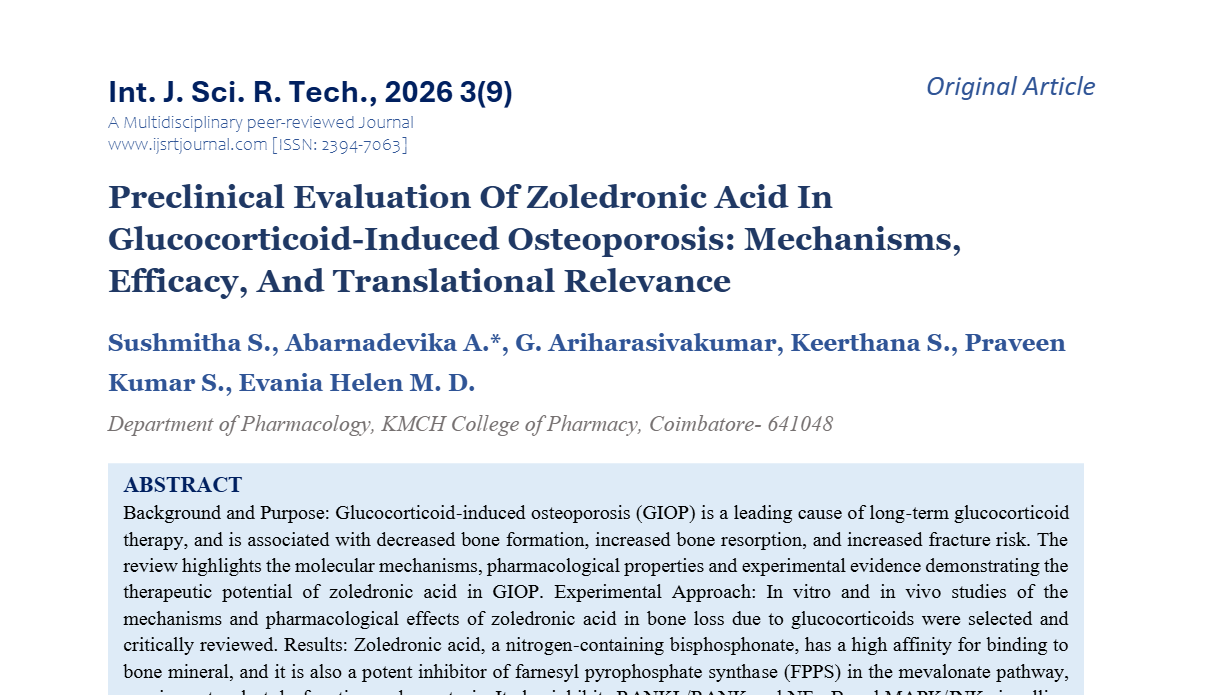
Background and Purpose: Glucocorticoid-induced osteoporosis (GIOP) is a leading cause of long-term glucocorticoid therapy, and is associated with decreased bone formation...
10.5281/zenodo.22959196 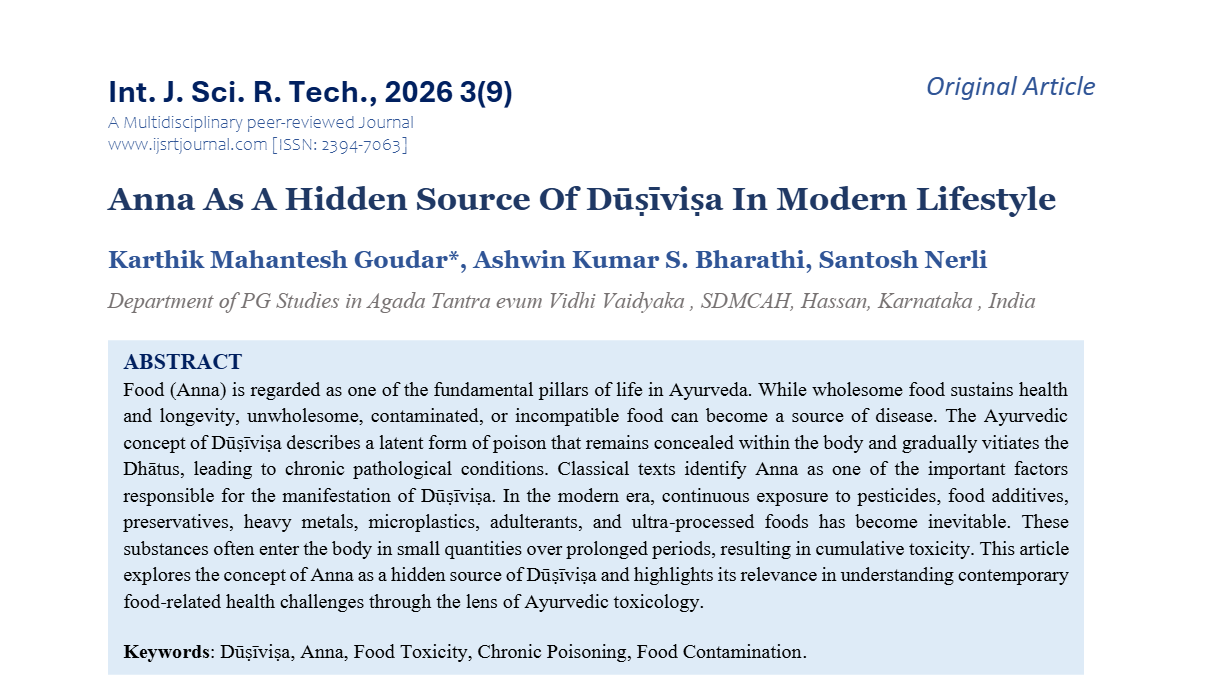
Food (Anna) is regarded as one of the fundamental pillars of life in Ayurveda. While wholesome food sustains health and longevity, unwholesome, contaminated, or incompati...
10.5281/zenodo.22959068 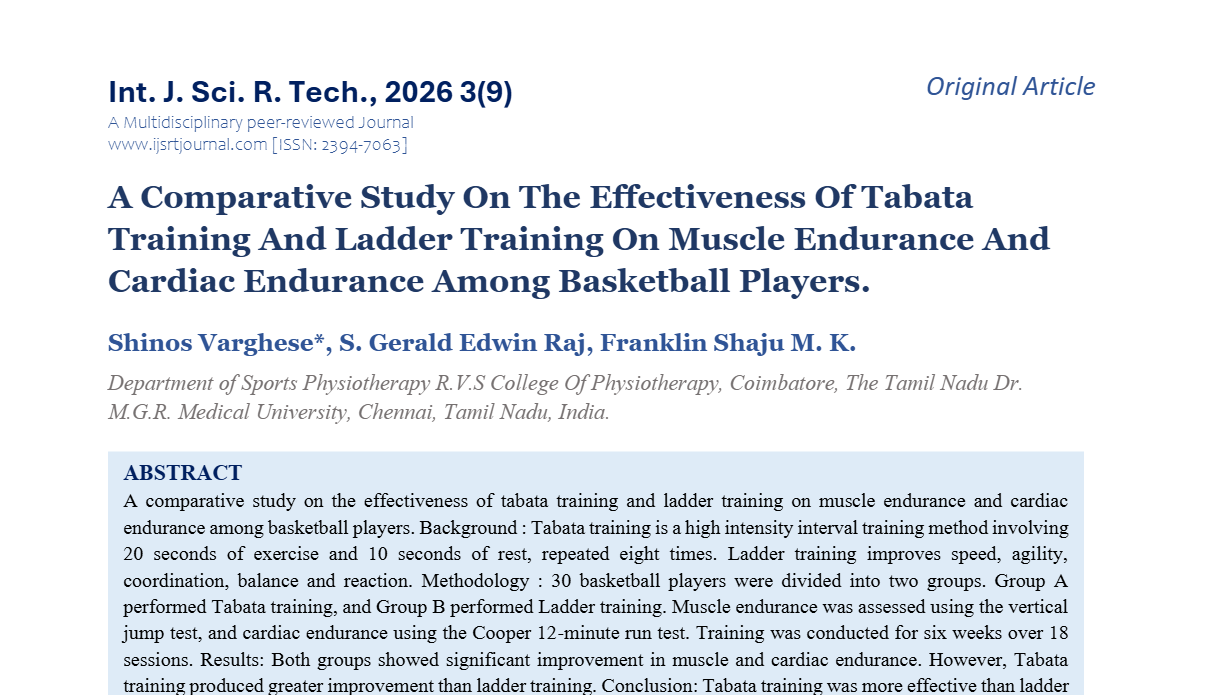
A comparative study on the effectiveness of tabata training and ladder training on muscle endurance and cardiac endurance among basketball players. Background : Tabata tr...
10.5281/zenodo.22958794 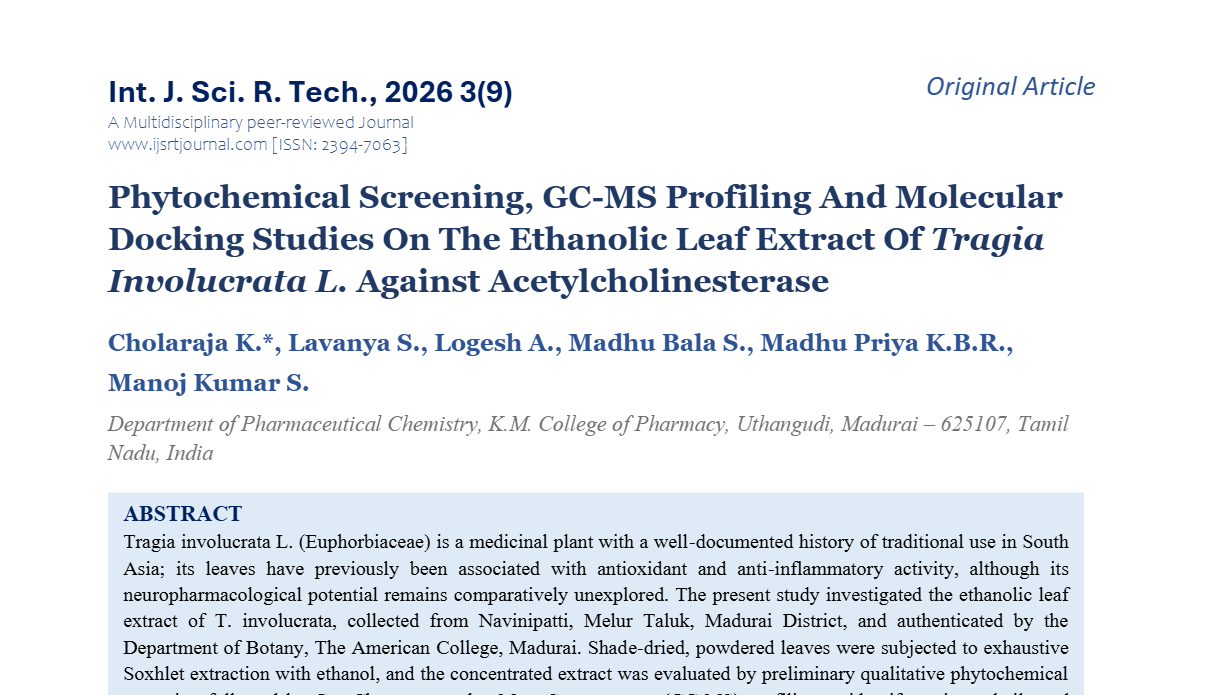
Tragia involucrata L. (Euphorbiaceae) is a medicinal plant with a well-documented history of traditional use in South Asia; its leaves have previously been associated wit...
10.5281/zenodo.22958307 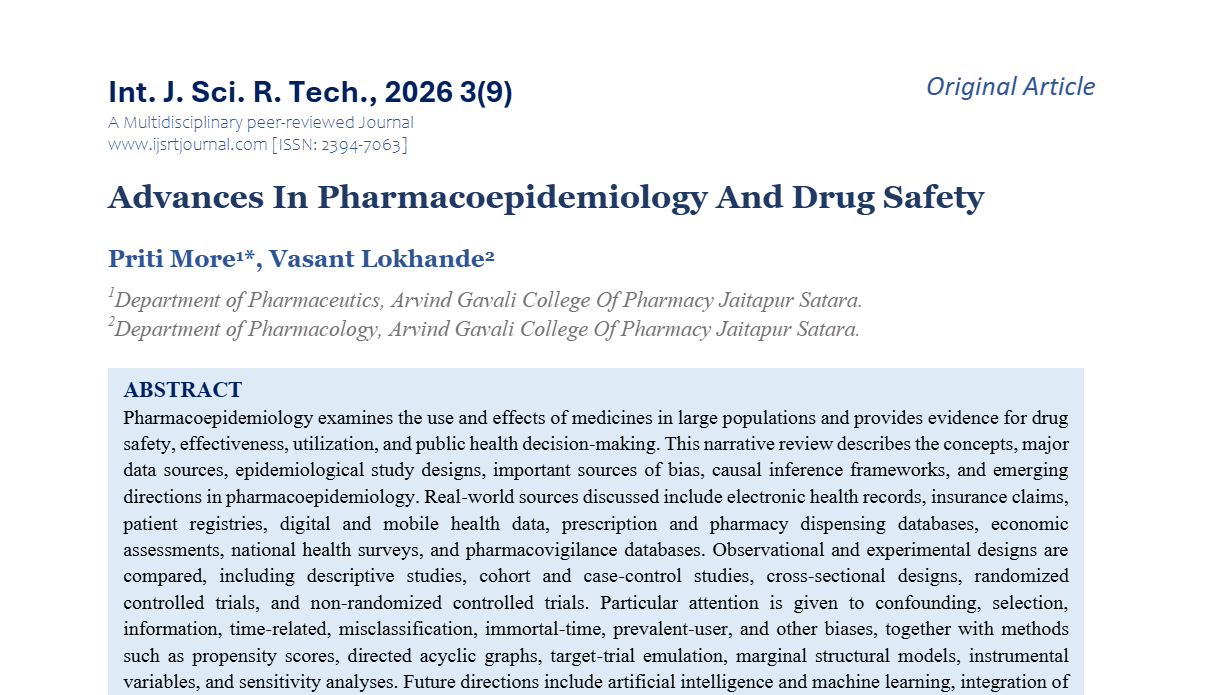
Pharmacoepidemiology examines the use and effects of medicines in large populations and provides evidence for drug safety, effectiveness, utilization, and public health d...
10.5281/zenodo.22958128 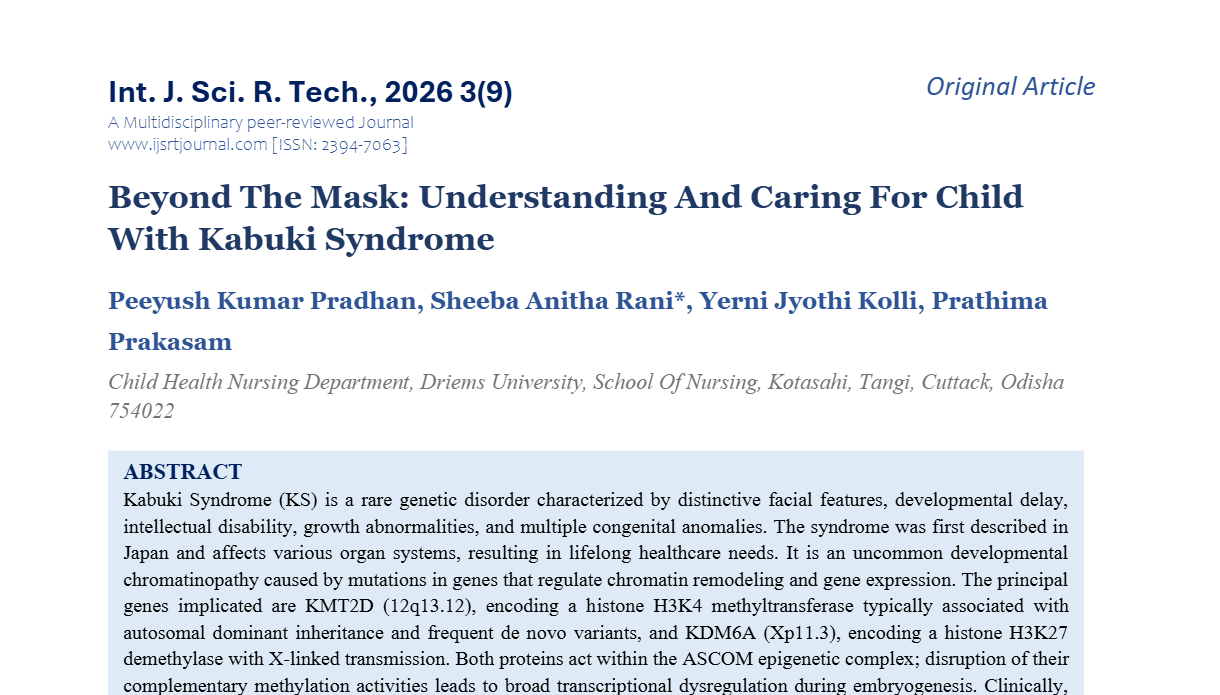
Kabuki Syndrome (KS) is a rare genetic disorder characterized by distinctive facial features, developmental delay, intellectual disability, growth abnormalities, and mult...
10.5281/zenodo.22939952 